What is Gas Insulated Switchgear and How Does It Work
Post Time: 2026-07-20 13:58:28
Gas insulated switchgear delivers reliable control and protection for high-voltage electrical switchgear in modern substations. You benefit from a compact GIS system that uses SF6 gas for insulation, supporting grid stability and power distribution. As high voltage power systems grow, GIS stands out for its minimal maintenance and resilience in challenging environments.
Gas Insulated Switchgear Overview
What is Gas Insulated Switchgear
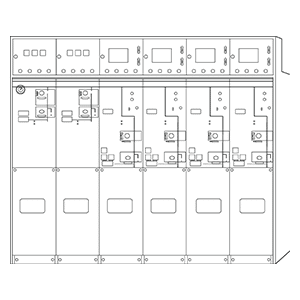
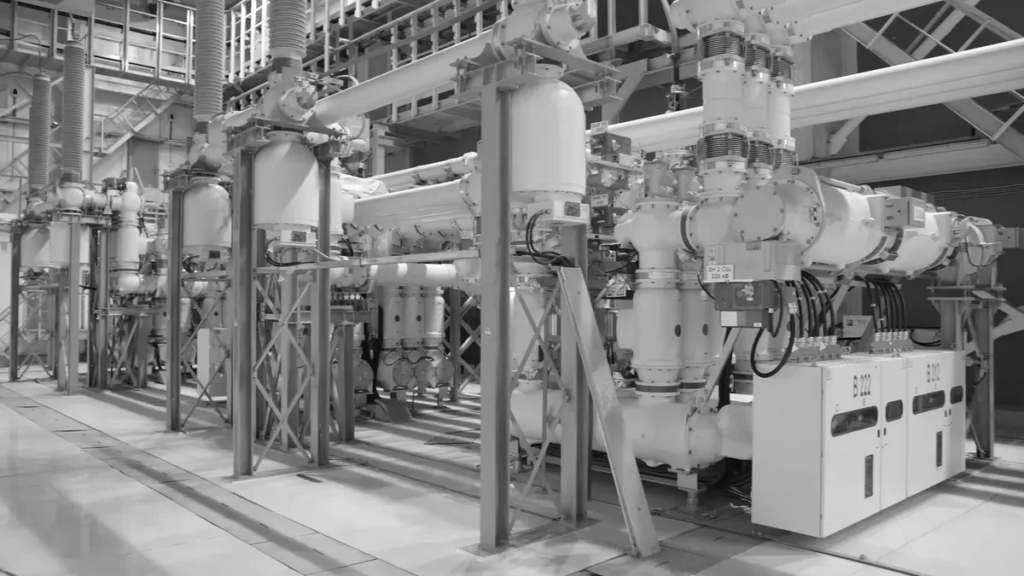
You encounter gas insulated switchgear in modern substations and industrial facilities where space, safety, and reliability matter most. This type of switchgear uses SF6 gas as its primary insulating medium, allowing you to achieve a compact and robust design. Unlike traditional air insulated switchgear, GIS enables you to manage high-voltage circuits in a much smaller footprint. The use of SF6 gas ensures high dielectric strength, which means you can safely operate equipment at higher voltages without increasing the size of the installation.
Yufeng Electric Co., LTD, also known as CHYF, stands out as a leading manufacturer of switchgear components, including GIS. The company’s commitment to quality and innovation has earned it international recognition. You benefit from products that meet ISO 9001, ISO 14001, and ISO 45001 certifications, as well as compliance with IEC 62271 and ANSI standards. These certifications guarantee that every GIS component you use meets strict quality, safety, and environmental requirements.
Note: GIS technology supports power transmission and distribution networks by providing reliable control, protection, and isolation of high-voltage equipment.
Working Principle of GIS
The working principle of GIS centers on the use of SF6 gas to insulate and quench arcs within the switchgear. You operate GIS by following a series of steps that ensure both safety and efficiency. First, you check the equipment for proper gas pressure and confirm that all indicators show normal status. Next, you verify that disconnect switches and circuit breakers are in the correct positions. When you need to isolate a section, you open the circuit breaker and observe the status lights. You then open the disconnect switches and operate the grounding switches as needed. Visual inspection through viewing ports helps you confirm the positions of all switches. Finally, you report the de-energization and request permission to ground the line, ensuring safe maintenance.
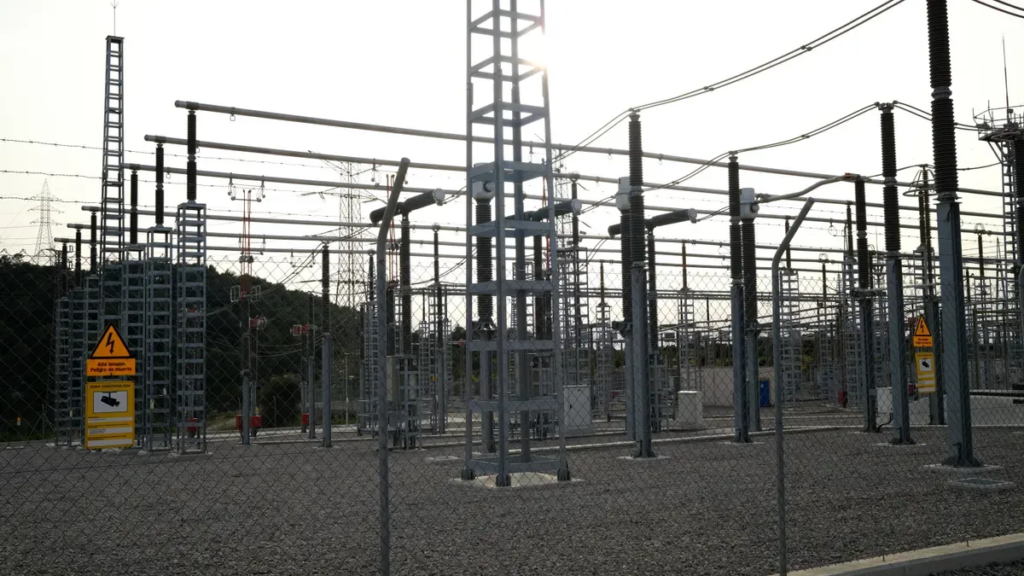
The main difference between GIS and air insulated switchgear lies in the insulation medium. GIS uses SF6 gas, which allows for a much more compact design. In contrast, air insulated switchgear relies on air, requiring larger clearances between components. This distinction gives GIS a significant advantage in environments where space is limited and reliability is critical.
SF6 gas plays a vital role in GIS. It acts as both an insulator and an arc-quenching medium. This dual function enables you to achieve high reliability and compactness in your electrical installations. The effectiveness of SF6 as an insulator makes GIS the preferred choice for high-voltage applications, supporting the future trends in gas-insulated switchgear toward even more efficient and space-saving solutions.
Main Components
You find several essential components in gas insulated switchgear, each serving a specific function to ensure safe and reliable operation. The table below summarizes the main components and their roles:
Component
Function
Disconnector
Provides electrical isolation by separating two sections of a circuit for safety.
Earthing Switch
Short-circuits and earths the conductors during maintenance for personnel safety.
Load Switch
Controls circuits by making, carrying, and breaking currents under normal conditions.
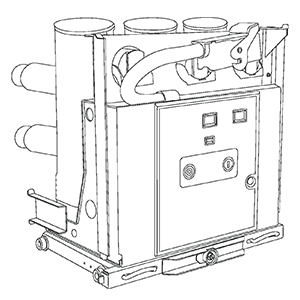
Circuit Breaker
Protects circuits from faults and controls them under normal and abnormal conditions.
In addition to these, you also encounter:
Current transformers, which measure current flow.
Lightning arrestors, which protect against lightning strikes.
Control panels, which manage and control switchgear operations.
Relays, which sense faults and signal circuit interruption.
Isolators, which ensure safe maintenance by isolating parts of the circuit.
Fuses, which protect circuits by melting under excessive current.
Switches, which open or close circuits as needed.
Potential transformers, which measure voltage levels.
Each of these components of gas insulated switchgear contributes to the overall safety, reliability, and efficiency of your power system. The integration of these elements supports a wide range of gas insulated switchgear applications, from urban substations to industrial plants.
Tip: When you choose GIS from Yufeng Electric Co., LTD, you gain access to advanced engineering, compact design, and adherence to international standards. This ensures your power transmission and distribution systems operate safely and efficiently.
The advantages of gas insulated switchgear include its compact size, high reliability, and minimal maintenance requirements. These features make GIS ideal for applications of gas insulated switchgear in densely populated urban areas and critical infrastructure. As the industry moves forward, future trends in gas-insulated switchgear focus on further reducing environmental impact and enhancing operational efficiency.
Advantages and Applications of Gas Insulated Switchgear
Advantages of Gas Insulated Switchgear
You gain several key advantages when you choose gas insulated switchgear for high-voltage applications. The compact design allows you to save up to 70% of space compared to traditional air insulated switchgear. This benefit is crucial in urban substations where land is limited. The sealed construction protects internal components from dust, humidity, and corrosive atmospheres, ensuring high reliability and consistent performance. With sf6 gas providing superior insulation and arc quenching, you achieve enhanced safety, especially at higher voltages. You also benefit from low maintenance requirements, as the sealed enclosure reduces exposure to contaminants and minimizes routine service needs.
Compact footprint for space-constrained environments
High reliability due to sealed, protected components
Low maintenance and fewer scheduled outages
Enhanced safety with effective sf6 insulation
Gas Insulated Switchgear Applications
You find gas insulated switchgear in a wide range of high-voltage applications. Urban substations, offshore platforms, and industrial plants rely on gis for reliable power distribution. The technology excels in environments with high humidity, dust, or salt fog. You also see it in renewable energy plants, such as offshore wind farms, where space and environmental factors are critical. In power generation, gis integrates renewable sources into the grid, while in industrial facilities, it supports efficient and safe power distribution.
Industry Type
Reason for Use
Urban Areas
Space limitations necessitate the use of gis instead of conventional substations.
Offshore Platforms
Gis is used for its compact design and reliability in harsh environments.
Industrial Plants
Allows for power distribution without requiring separate structures, optimizing space.
High-Voltage Transmission Systems
Essential for medium- to high-voltage applications, ensuring reliability in power distribution.
Renewable Energy Plants
Used in offshore wind farms and other renewable setups where space and environmental factors are critical.
Comparison with Air Insulated Switchgear
When you compare gas insulated switchgear to air insulated switchgear, you notice several practical differences. Gis operates reliably in a wider temperature range, from -40°C to +55°C, and does not require altitude derating. The sealed design achieves higher IP ratings, protecting against environmental exposure. Gis occupies only 10% to 30% of the space needed for air insulated switchgear, making it ideal for high-voltage installations in dense urban areas. Maintenance intervals are longer, and the typical life expectancy reaches up to 50 years, compared to 25 to 30 years for air insulated switchgear.
Maintenance and Monitoring
You maintain gas insulated switchgear by following a structured inspection plan. Routine visual checks help you spot damage, corrosion, or leaks early. You should use a checklist to ensure thorough inspections, including breaker operation, insulation resistance, and thermal scans. Remote monitoring technology enables you to track sf6 gas levels, partial discharge, and temperature in real time, supporting predictive maintenance and extending equipment life. CHYF offers comprehensive after-sales support, including warranty coverage, spare parts, and expert installation guidance, ensuring your high-voltage systems remain safe and reliable.
You see clear advantages when you choose GIS for your power systems.
Benefit
Description
Space Efficiency
Up to 90% smaller than air-insulated switchgear, ideal for urban substations.
Enhanced Safety
Sealed design reduces electric shock risk and protects from dust and moisture.
Superior Reliability
High uptime and minimal faults due to robust construction.
Low Maintenance
Long service life with reduced maintenance costs.
You rely on GIS for compact, safe, and reliable solutions in demanding environments. Industry trends point to digital monitoring and eco-friendly insulation. CHYF leads with advanced engineering and a strong focus on innovation, ensuring you stay ahead in electrical system performance.
FAQ
What routine checks should you perform on gas insulated switchgear?
You should inspect gas pressure, check for leaks, verify indicator lights, and confirm switch positions. Regular monitoring helps you maintain safe and reliable operation.
Can you install gas insulated switchgear outdoors?
Yes, you can install GIS outdoors. Its sealed enclosure protects components from weather, dust, and moisture, making it suitable for both indoor and outdoor applications.
This website uses cookies so that we can provide you with the best user experience possible. Cookie information is stored in your browser and performs functions such as recognising you when you return to our website and helping our team to understand which sections of the website you find most interesting and useful.
Strictly Necessary Cookies
Strictly Necessary Cookie should be enabled at all times so that we can save your preferences for cookie settings.
If you disable this cookie, we will not be able to save your preferences. This means that every time you visit this website you will need to enable or disable cookies again.
3rd Party Cookies
This website uses Google Analytics to collect anonymous information such as the number of visitors to the site, and the most popular pages.
Keeping this cookie enabled helps us to improve our website.
Please enable Strictly Necessary Cookies first so that we can save your preferences!
Additional Cookies
This website uses the following additional cookies:
(List the cookies that you are using on the website here.)
Please enable Strictly Necessary Cookies first so that we can save your preferences!